If you have extended or altered your home, you may wonder what happens when it is time to arrange a Home Report.
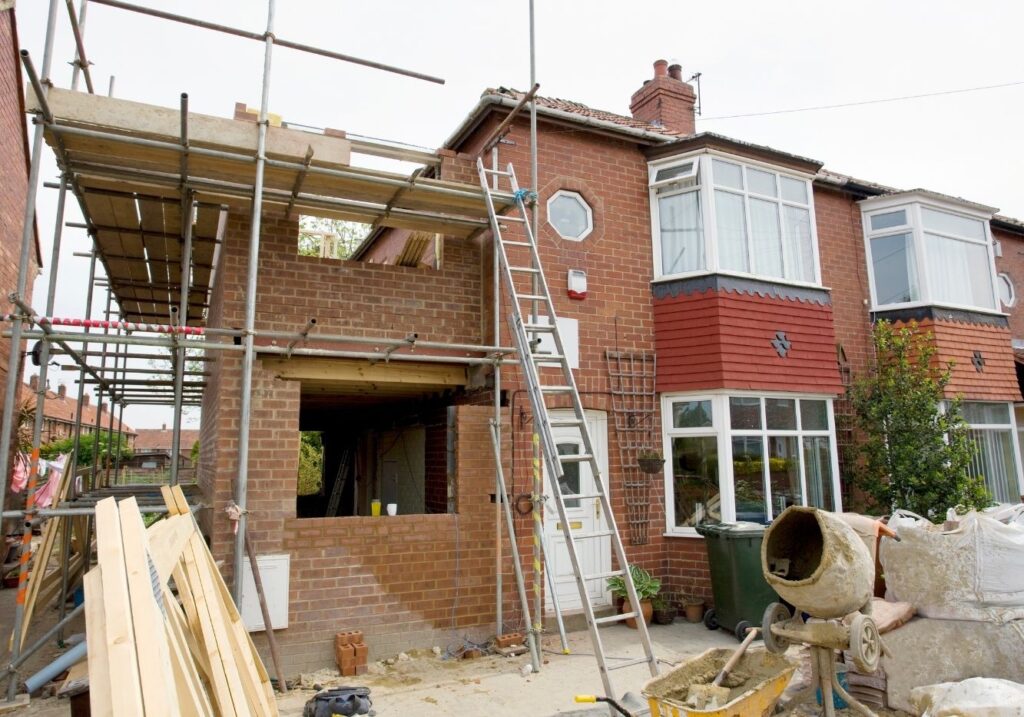
Maybe you have added an extension, converted the garage, knocked two rooms together or created an extra bedroom. These changes can affect how your property is described, inspected and valued.
You may also need paperwork relating to the work when you sell.
The good news is that alterations are very common. The important thing is to be open about the changes you have made and gather as much of the relevant paperwork as you can before your property goes on the market.
Will an Extension or Alteration Show Up in a Home Report?
When completing the Single Survey, the surveyor assesses your property as it is on the day of the inspection.
That means any changes you have made to the home form part of what they are looking at.
Common examples include:
- Extensions and conservatories
- Garage conversions
- Loft or attic conversions
- Removed or repositioned internal walls
- Extra bedrooms or bathrooms
- Dormers and roof windows
- Changes to windows and door openings
The surveyor will consider the altered areas alongside the rest of the property.
For example, if you have extended the kitchen into the garden, the surveyor will not value your home based on its original layout. They will consider your home as it stands now.
Equally, if an alteration has an obvious defect, that may also be mentioned within the condition section of the Home Report.
Can an Extension or Alteration Affect My Home Report Valuation?
Yes, it can.
However, the amount you spent on the work does not automatically get added to the value of the property.
Imagine you spend £40,000 adding an extension. That does not necessarily mean your home is now worth £40,000 more.
Instead, the surveyor considers what the alteration has added to the property as a whole.
A well-designed extension might create a larger kitchen, an extra bedroom or more useful living space. That may make the property more attractive to buyers. Similarly, alterations which create awkward spaces may be off-putting.
The surveyor will also consider the size and layout of the property, its condition and what similar homes have been selling for locally.
This is why two houses that originally looked exactly the same can end up with different Home Report valuations.
One may still have its original layout, while the other has been extended or converted to provide significantly more usable space.
Local knowledge is important here. A surveyor needs to understand how buyers in that particular area value different property types and improvements, rather than simply looking at the last house sold nearby.
What Paperwork Should I Keep After Altering My Home?
If you carry out significant work to your home, keep the paperwork.
Depending on the type of alteration, this might include:
- Planning permission
- Building warrant documents
- Completion certificates
- Listed building or other relevant consents
- Guarantees or warranties
- Certificates relating to work carried out
Not every alteration requires the same permissions. Some work may not need planning permission, while building standards requirements can still apply.
Your Property Questionnaire, which forms part of the Home Report, specifically asks whether you have made structural alterations, additions or extensions while owning the property. It also asks whether relevant permissions, building warrants and completion certificates were obtained.
If you have these documents, give them to your solicitor as early as possible.
You do not need to wait until a buyer asks for them.
Does the Home Report Surveyor Check My Planning Permission?
Not in the same way your solicitor will.
The surveyor may see that the property has been altered and will assess the home in its current form. However, the Single Survey is not a legal check of council records.
This is an important distinction.
The surveyor’s job is to inspect and value the property. Your solicitor deals with the legal paperwork connected with the sale.
So, for example, if the surveyor sees that a garage has been converted into a bedroom, they can take that accommodation into account when assessing the property. They are not there to confirm that every building warrant, completion certificate or consent connected with the conversion is in place.
That paperwork forms part of the wider selling process.
What if I Cannot Find the Paperwork?
Don’t ignore it and hope it does not come up.
If you know that work was carried out but you cannot find the paperwork, tell your solicitor.
Sometimes the documents may simply be held elsewhere. Your architect, previous solicitor or another professional involved in the work may have copies. The Property Questionnaire specifically allows sellers to state who holds relevant documents so they can be obtained during the sale.
If paperwork genuinely cannot be found, your solicitor can advise what needs to happen next.
The answer will depend on the work that was carried out and when it was completed. In some circumstances, further enquiries with the local authority may be needed.
Scottish building standards also provide procedures for dealing with work where a required building warrant was not obtained. However, the correct route depends on the individual circumstances, so this is something to raise with your solicitor rather than trying to resolve after a buyer has already raised concerns.
The key point is simple: missing paperwork does not automatically mean there is a problem with your property, but it is much better to identify the issue early.
What if There Is a Problem With the Alteration Itself?
The surveyor looks at the visible condition of altered areas in the same way they assess the rest of the property.
If there are signs of damp, movement, damaged finishes or another issue, these may be noted within the Single Survey.
For example, an extension showing signs of water getting in would be assessed based on what the surveyor can see at the inspection. If the cause cannot be confirmed through a visual inspection, they may recommend further investigation.
This does not mean an extension or conversion is automatically a concern.
Most alterations simply become another part of the property that the surveyor needs to inspect and consider.
What Should I Do Before Booking My Home Report?
If you have altered your property, a little preparation can make the process easier.
Before the surveyor visits:
- Gather any planning or building warrant paperwork you have
- Find completion certificates and relevant guarantees
- Make altered areas easy to access
- Be accurate when completing the Property Questionnaire
- Give relevant documents to your solicitor
- Tell your solicitor early if important paperwork is missing
You do not need to become an expert in planning or building regulations before selling your home.
You simply need to provide the information you have and raise any gaps early enough for the right professional to deal with them.
Arrange a Home Report for an Extended or Altered Property
Extensions and alterations are a normal part of Scotland’s housing stock.
From converted tenement layouts in Glasgow and Edinburgh to garage conversions and extensions in family homes across Central Scotland, properties often change considerably during their lifetime.
When you arrange a Home Report, the surveyor assesses the home you have today, not the home that was originally built.
Those changes may affect the property’s layout, condition and market valuation. Having the relevant paperwork ready can also help make the selling process smoother.
Home Report Company provides independent Home Reports through experienced RICS Chartered Surveyors across Scotland.
If you are preparing to sell an extended or altered property, request a Home Report quote online or call 0131 608 0175 to arrange your inspection.