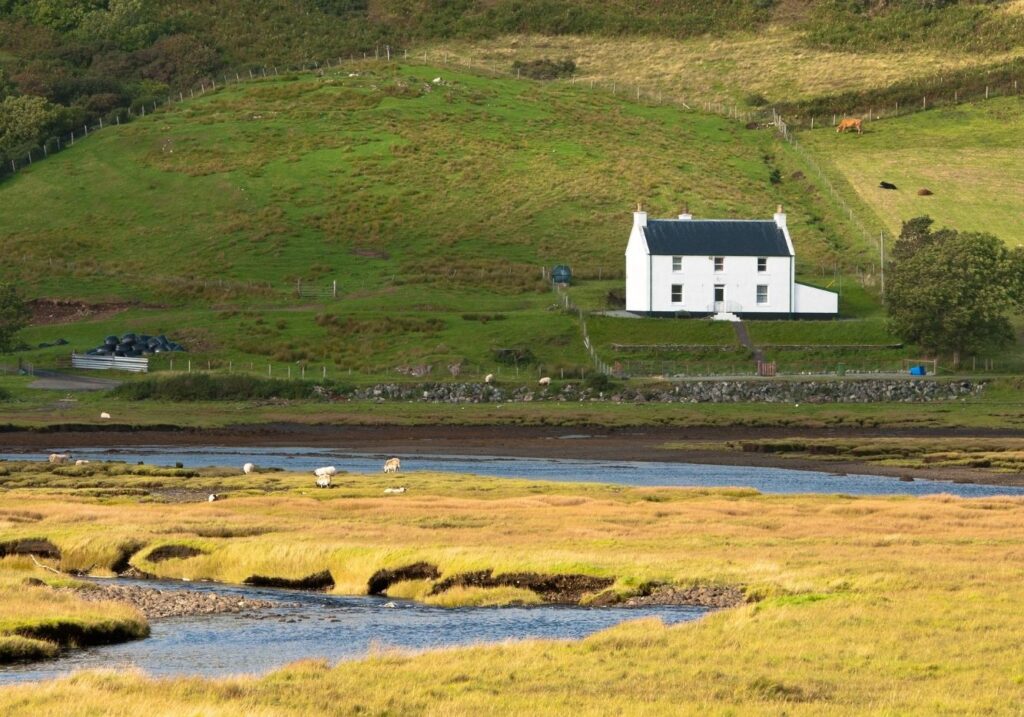
A Home Report for a rural property follows the same basic process as any other residential Home Report in Scotland. However, the property itself can bring a few extra considerations.
A rural home may have a private water supply, septic tank, outbuildings, a larger plot or less straightforward access. It may also be of an older or less common construction type.
These features do not make a rural property problematic. They simply mean the surveyor may have more to consider when inspecting and valuing the home.
For buyers and sellers, understanding these differences can make the Home Report easier to interpret and help highlight where further questions may be needed.
Why Can Rural Home Reports Be Different?
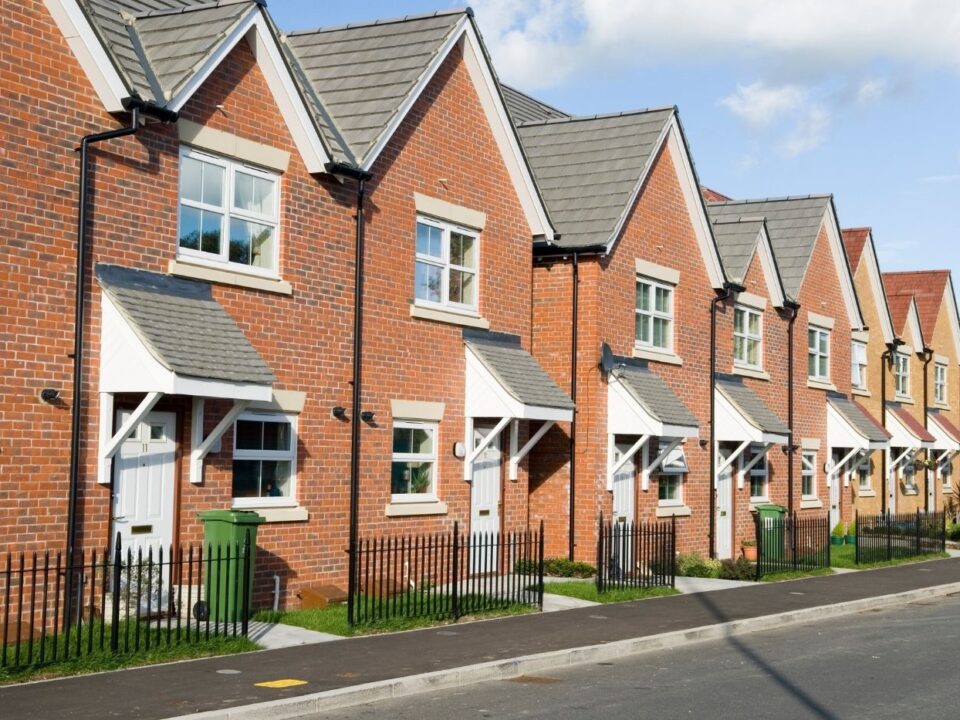
Rural homes often sit outside the type of standard housing development where many properties are broadly similar.
One house may be a traditional stone cottage. The next could be a converted farmhouse or a much newer detached property.
Plots can also vary significantly in size and may include garages, sheds, workshops or other outbuildings; meaning surveyors need to consider individual properties carefully.
The rural property market is also an important part of Scotland’s housing market. Registers of Scotland reported that accessible rural areas had the highest median residential price of any urban-rural classification in 2025-26, at £280,500.
What Does the Surveyor Look at in a Rural Property?
The surveyor still assesses the condition of the home, provides condition ratings and gives an opinion of market value.
However, some features are more common in rural properties than they are in urban homes.
These may include:
- Private water supplies
- Septic tanks or other private drainage
- Outbuildings
- Larger gardens or grounds
- Unusual access arrangements
- Traditional or non-standard construction
The surveyor will report on what is visible and accessible during the inspection.
As with any Home Report, this does not mean every part of the property or its services is tested in detail.
What Happens if the Property Has a Private Water Supply?
Not every rural home is connected to the public water network.
Some properties receive their water from a private supply, which may come from a borehole, spring, stream or another source.
The Scottish Government says around 3% of Scotland’s population relies on private water supplies, with most found in remote and rural areas.
If a property has a private water supply, that is useful information for a buyer to know.
A Home Report surveyor can take account of the arrangement and any visible components, but the survey itself is not a detailed test of the water quality.
Buyers may therefore want additional information about the supply, including where the water comes from, how it is maintained and whether testing has been carried out.
Private supplies are the responsibility of their owners and users and are regulated by local authorities.
For sellers, it is helpful to gather any paperwork or test information relating to the supply before the property goes on the market.
What About Septic Tanks and Private Drainage?
Private drainage is another common feature of rural properties.
Instead of connecting to the mains sewer, a property may use a septic tank or another private wastewater system.
Septic tanks are widely used across rural Scotland and can be a perfectly normal way of dealing with household wastewater when properly maintained.
The Home Report may record the type of drainage arrangement and comment on anything visible during the inspection.
However, the surveyor is not carrying out a full inspection of the underground system.
Buyers may therefore need to establish:
- Where the septic tank is located
- Who is responsible for it
- How it is accessed
- When it was last emptied or maintained
- Whether any servicing records are available
Some of these questions sit outside the physical Home Report inspection and may be dealt with through the Property Questionnaire or the legal enquiries carried out during the purchase.
Are Outbuildings Included in a Home Report?
Rural properties often come with more than the main house.
There may be detached garages, sheds, workshops, stores or other buildings within the grounds.
Whether these are considered within the Home Report will depend on the property and the nature of the buildings involved.
The surveyor may comment on significant permanent structures where they are relevant to the residential property and accessible during the inspection.
However, buyers should not assume that every shed, field structure or separate building has received the same level of inspection as the house itself.
If an outbuilding is particularly important to your decision to buy, read the report carefully and ask for clarification if necessary.
Can Access and Boundaries Be More Important in Rural Properties?
They can.
A rural property may be reached by a private road or shared access track rather than a standard adopted street.
There may also be gates, long driveways or access shared with neighbouring properties.
The physical condition of an access road may be visible to the surveyor, but questions about legal rights of access, maintenance responsibilities or ownership are matters for the solicitor.
The same applies to boundaries.
The surveyor can consider the property and grounds that appear to form part of the home, but the Home Report is not a legal boundary survey.
If the exact ownership of land, a driveway or an access route is important, the title documents need to be checked during conveyancing.
Why Does Construction Type Matter?
Scotland has a wide variety of rural housing.
Traditional cottages and farmhouses may use materials and construction methods that differ considerably from a modern housing development.
Older stone walls, slate roofs and traditional finishes may all require a different understanding of how the building performs and how it has been maintained.
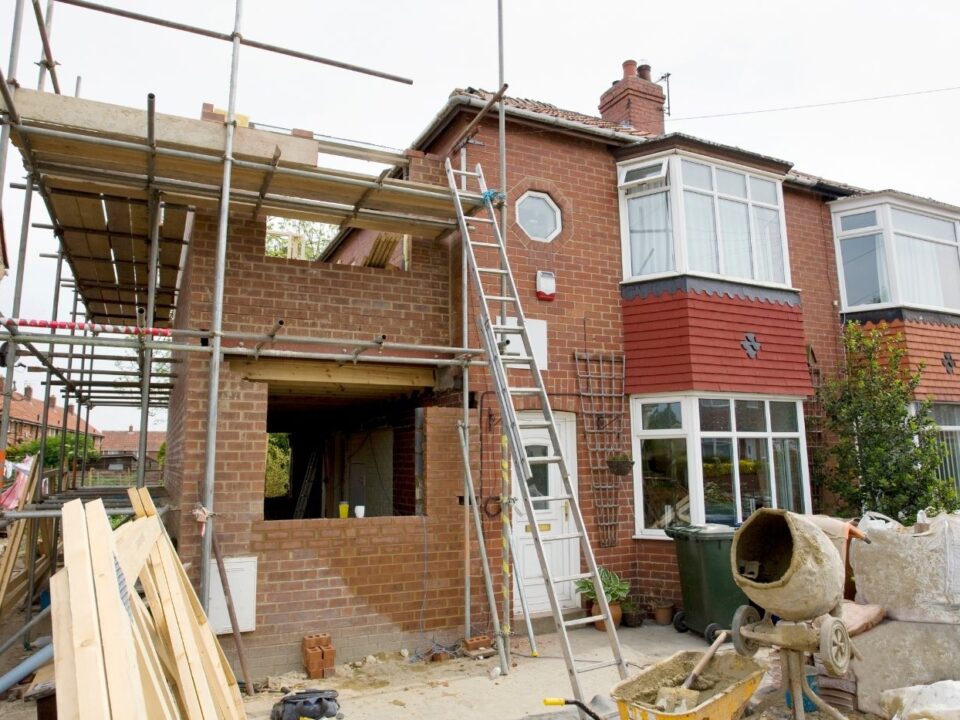
Some rural properties may also have been extended or converted over many years.
A house that looks straightforward from outside may therefore contain several different ages or types of construction.
The surveyor considers those characteristics when assessing the property’s condition.
Where something cannot be fully assessed through a visual inspection, further investigation may sometimes be recommended.
Can Rural Location Affect the Home Report Valuation?
Yes, but not simply because a home is described as rural.
The surveyor still needs to consider appropriate market evidence.
With a typical suburban property, there may be several similar homes nearby that have sold recently.
In a rural setting, the nearest sale may be very different.
One property may have a larger plot. Another may have several outbuildings. A similar-looking home could have a private water supply, different access or a completely different internal layout.
That can make genuinely comparable sales harder to identify.
This is where local market knowledge and the professional judgement of an experienced surveyor become particularly important.
The surveyor has to assess which sales provide useful evidence and how the differences between those properties and the home being valued should be taken into account.
Where Does the Home Report Stop?
This is an important point for both buyers and sellers.
A Home Report provides valuable information about the condition and value of the property, but it does not answer every question connected with buying a rural home.
Some issues may need to be checked separately.
For example:
- A solicitor can check rights of access, title boundaries and ownership responsibilities
- Additional testing may be needed for a private water supply
- Specialist advice may be recommended for a septic tank or another service
- Further investigation may be needed where part of the property cannot be fully inspected
That does not mean there is something wrong with the home. It simply reflects the fact that a Home Report is one part of the wider buying and selling process.
What Should Sellers Prepare Before a Rural Home Report?
A little preparation can make the inspection and sale process easier.
If relevant to your property, gather information about:
- Private water supplies
- Septic tanks or other drainage systems
- Recent servicing or maintenance
- Outbuildings
- Shared access arrangements
- Extensions or alterations
- Any guarantees or certificates you hold
Make sure areas that can reasonably be accessed are clear for the surveyor.
If there is something unusual about the property, it is usually better to provide the information than leave the surveyor or buyer trying to work it out later.
Arrange a Home Report for a Rural Property in Scotland
Rural homes can come with features that are less common in towns and cities, but the purpose of the Home Report remains the same.
It gives buyers and sellers an independent assessment of the property’s condition and market value.
For rural homes, the surveyor may simply need to consider a wider range of features, from private services and outbuildings to access, construction type and local comparable evidence.
Home Report Company provides independent Home Reports through experienced RICS Chartered Surveyors across Scotland.
If you are preparing to sell a rural home, request a Home Report quote online or call 0131 608 0175 to arrange your inspection.