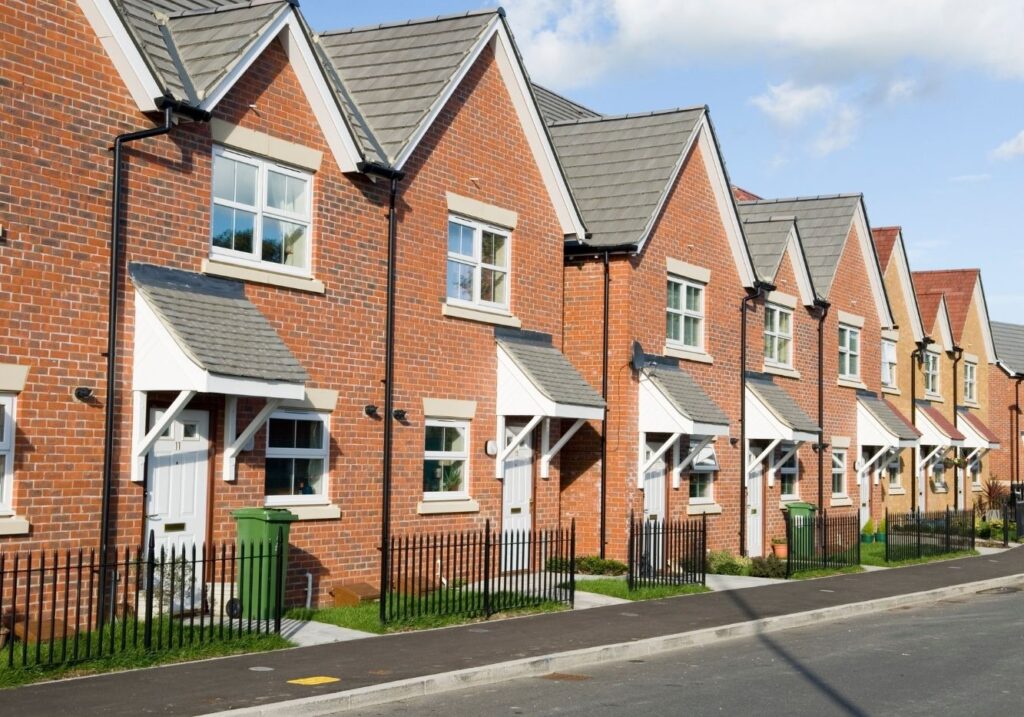
Your neighbour’s house has just received a Home Report valuation of £300,000. Your property looks almost identical, so surely yours should be worth the same?
Not necessarily.
Two homes can appear very similar from the street yet have different layouts, floor areas, condition, improvements or positions. Even properties within the same development can appeal differently to buyers.
A Home Report valuation is not produced by simply checking what the house next door sold for. The surveyor considers the individual property, relevant market evidence and current conditions within the local market.
Understanding that process helps explain why two seemingly comparable homes may receive different valuations.
What Is the Valuation in a Home Report?
The Single Survey within a Scottish Home Report includes an opinion of the property’s market value.
RICS guidance confirms that the Single Survey includes a valuation and should provide an objective assessment for the parties involved in the transaction.
Market value is also specific to a particular point in time. RICS defines it as the estimated amount for which a property should exchange between a willing buyer and seller under normal market conditions on the valuation date.
That last point matters.
A valuation reflects the property and market at the time the assessment is made. A comparable house sold many months earlier may have changed hands under different market conditions.
Similarly, a Home Report valuation is an independent professional opinion. It is not a prediction of the exact price a buyer will eventually offer.
Why Doesn’t My Home Have the Same Value as My Neighbour’s?
When two properties look similar, it is easy to assume they should have identical values.
However, the differences that matter are not always obvious from outside.
One property might have:
- More usable floor space
- An extension or converted garage
- An additional bathroom
- A more practical layout
- Better parking
- A larger or more usable garden
- A different position within the street
- A better standard of overall condition
Even apparently minor differences can influence how buyers view a property.
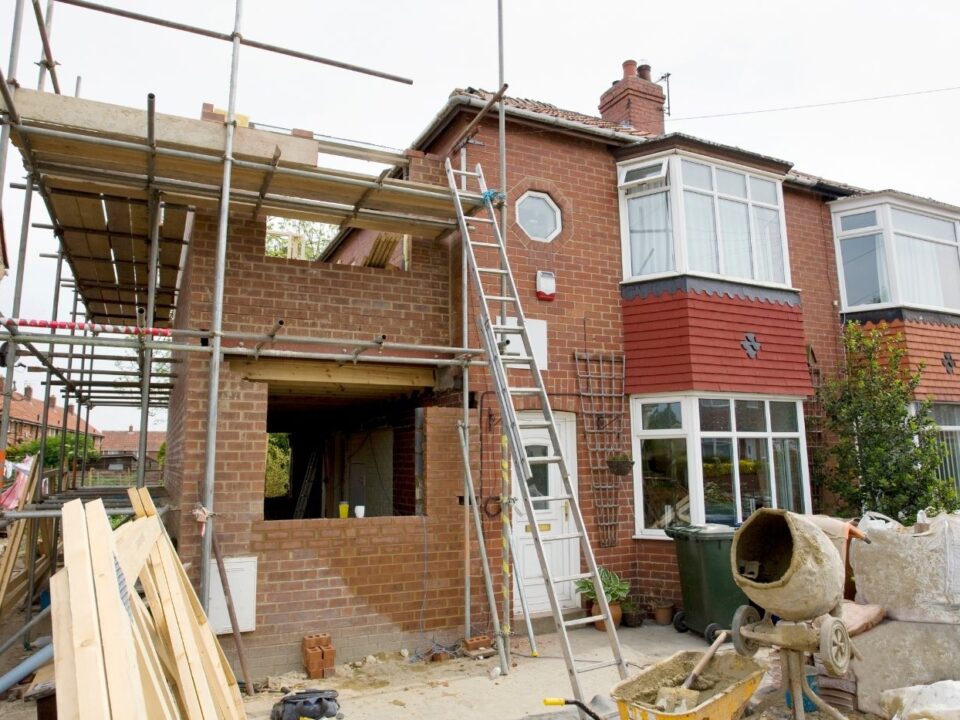
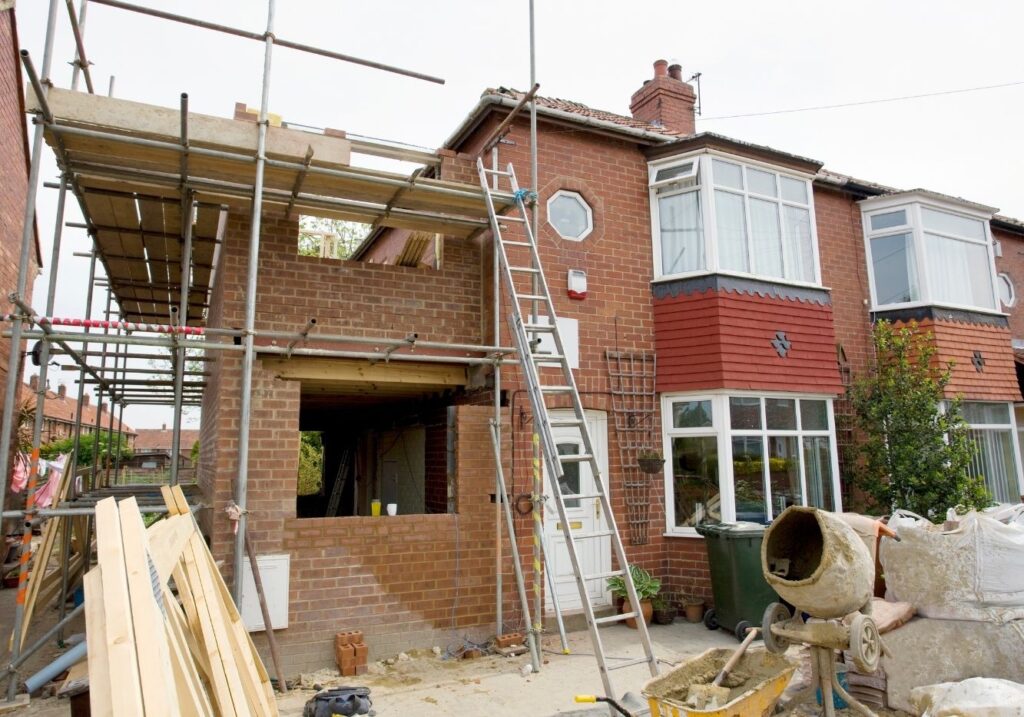
For example, two three-bedroom semi-detached houses may have started with the same original layout. Over time, one owner may have extended the kitchen, created a utility room and improved the connection to the garden. The other property may remain largely unchanged.
They are still the same original house type, but they are no longer identical properties from a valuation perspective.
How Does a Surveyor Determine a Home Report Valuation?
A surveyor does not assess a property in isolation.
They inspect the home itself, then consider appropriate evidence from the surrounding residential market.
Factors can include:
- Location
- Property type and age
- Size and accommodation
- Layout
- Condition
- Extensions and alterations
- Outdoor space and parking
- Relevant comparable sales
- Current local demand and market conditions
The aim is not simply to find the nearest property that has sold. The surveyor must consider whether that sale provides useful evidence for the home being valued.
Registers of Scotland publishes residential sales information across Scotland, including price and sales-volume data. It also demonstrates how significantly prices can differ according to property type and geographic area.
However, market statistics alone cannot value an individual home. The surveyor has to interpret the available evidence in the context of that specific property.
Why Are Comparable Properties Not Always Truly Comparable?
“Comparable sales” can sound simpler than they really are.
Three houses may have recently sold near your property; all described as three-bedroom detached homes.
At first glance, all three may appear relevant. On closer inspection, however:
- One has been substantially extended
- One requires significant modernisation
- One has a garage and larger plot
- One sits on a particularly desirable part of the development
- One has a different internal floor area despite having the same number of bedrooms
A surveyor needs to use their professional judgement when considering these differences; deciding how much weight each sale should carry.
This is also why looking at a ‘Sold for…’ value from a property website does not necessarily tell you what your own Home Report valuation should be.
The sale may be useful evidence, but it needs context.
Can Home Report Valuations Differ Within the Same Street?
Yes.
Property markets can be surprisingly local.
Two houses may sit only a few doors apart while having different characteristics that influence their value. Position, outlook, parking, garden space, property style and condition may all vary.
The same principle applies across different types of Scottish housing.
Within a traditional Glasgow or Edinburgh tenement, flats in the same building may differ in floor area, layout, condition and outlook.
In suburban locations such as Newton Mearns, Bearsden or parts of Lanarkshire, properties originally built to the same design may have changed considerably through extensions, garage conversions and other alterations.
This is where detailed local market knowledge becomes valuable. A surveyor needs to understand not only what has sold nearby, but also which sales provide meaningful evidence for the particular home being assessed.
Do Extensions and Improvements Increase a Home Report Valuation?
They can, but the amount spent on improving a property does not automatically translate into the same increase in market value.
A homeowner might spend £40,000 extending a kitchen. That does not mean the Home Report valuation will automatically increase by £40,000.
The surveyor considers what the alteration has added to the property and how the local market responds to that type of improvement.
An extension that creates useful family accommodation may positively influence value. However, an alteration that produces an awkward layout may have a different effect.
The quality, condition and usefulness of the additional space also matter.
This is why extensions and alterations need to be assessed as part of the property as a whole rather than treated as a simple calculation.
Does the Condition of a Home Affect Its Valuation?
Condition can influence a Home Report valuation, but it is only one part of the assessment.
Two otherwise similar homes may differ because one has been consistently maintained while the other requires more significant work.
The Single Survey uses condition ratings to help buyers understand whether parts of the property require attention. However, a Category 2 or Category 3 rating does not have a fixed monetary amount attached to it.
The nature of the defect, the property type and the wider market all need to be considered.
For example, some maintenance requirements may be relatively common for the age and construction of a traditional property. Other defects may have a greater impact on how buyers perceive the home.
The surveyor considers those issues alongside the other evidence available.
Why Can an Online House Price Estimate Be Different?
Online valuation tools can provide useful general information, but they do not carry out a physical inspection of your home.
They may use sales records, property characteristics and broader market data to estimate a value.
A Home Report valuation is different because the surveyor has inspected the individual property.
That means they can consider features that an automated calculation may not fully understand, including alterations, layout, condition and how the home compares with other properties currently influencing the local market.
This does not mean property websites and online estimates have no value. They can be helpful when researching an area.
However, they should not be treated as a replacement for an individual professional valuation.
Why Local Knowledge Matters in a Home Report Valuation
“Local knowledge” is a phrase used frequently in property, but its value goes beyond simply knowing whether an area is popular.
For a surveyor, local knowledge helps put market evidence into context.
A nearby sale may appear highly relevant based on distance alone. Yet it might belong to a different development, have a different property style or attract a different group of buyers.
Demand can also vary considerably across Scotland.
Registers of Scotland’s 2025-26 figures show clear variations between different property types and locations. For example, East Renfrewshire had Scotland’s highest local-authority median residential price during that period, while the national figures also showed substantial differences between flats and detached properties.
National and regional figures help describe the wider market. However, an individual Home Report valuation requires a much more detailed assessment of the property and the evidence relevant to its immediate market.
That is the difference between simply finding nearby house prices and a Surveyor’s professional judgement; understanding which ones genuinely help establish value.
Is the Home Report Valuation the Price a Property Will Sell For?
Not necessarily.
The valuation is a professional opinion of market value at a particular date. The eventual sale price is determined by what happens when the property reaches the market.
Buyer competition, individual circumstances and the level of interest in a property can all influence the offers received. Particularly determined buyers may be prepared to, and have the means to, offer well over the Home Report valuation.
Equally, one buyer may place particular value on a feature that another buyer considers less important.
RICS itself distinguishes between market value and the actual price ultimately achieved in a transaction.
Therefore, a sale above or below the Home Report valuation does not automatically mean the valuation was wrong. They are two different figures produced in different circumstances.
Arrange an Independent Home Report Valuation in Scotland
Two homes do not need to be miles apart to justify different valuations.
Differences in size, layout, condition, alterations and position can all matter. So can the strength of local demand and the quality of the comparable evidence available.
That is why a Home Report valuation requires professional judgement as well as property sales data.
The Home Report Company provides independent Home Reports through experienced RICS Chartered Surveyors across Scotland. Our surveyors combine physical inspection with relevant local market evidence to provide an objective opinion of market value.
If you are preparing to sell your home, request a Home Report quote online or call 0131 608 0175 to arrange your inspection.